Nahuatl Space is a project on the grammar of space in the Nahuan languages, and on whether the ways speakers talk about space are shaped by the landscapes they live in. It began with a Sapere Aude Research Leader Grant from the Independent Research Fund Denmark, awarded in 2018.
The question
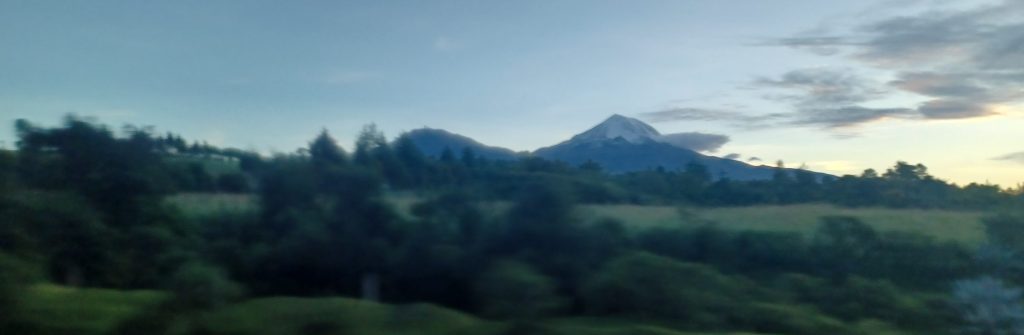
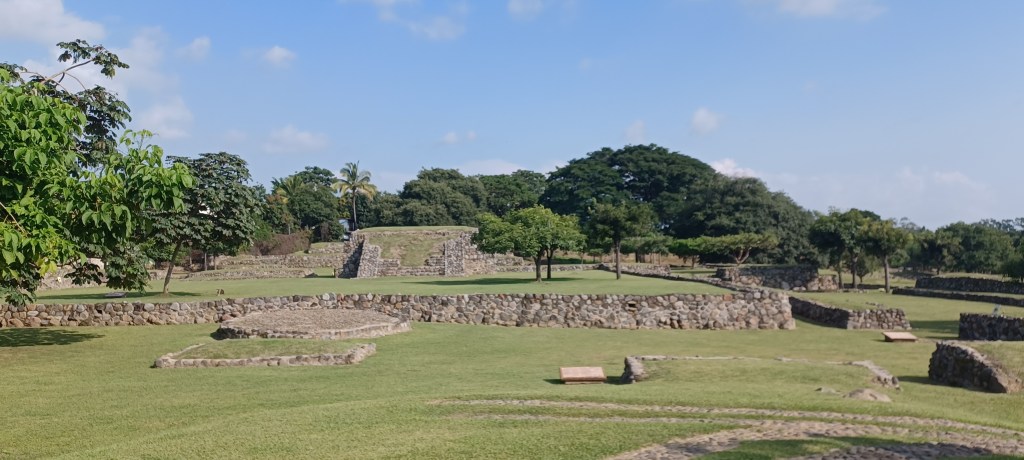
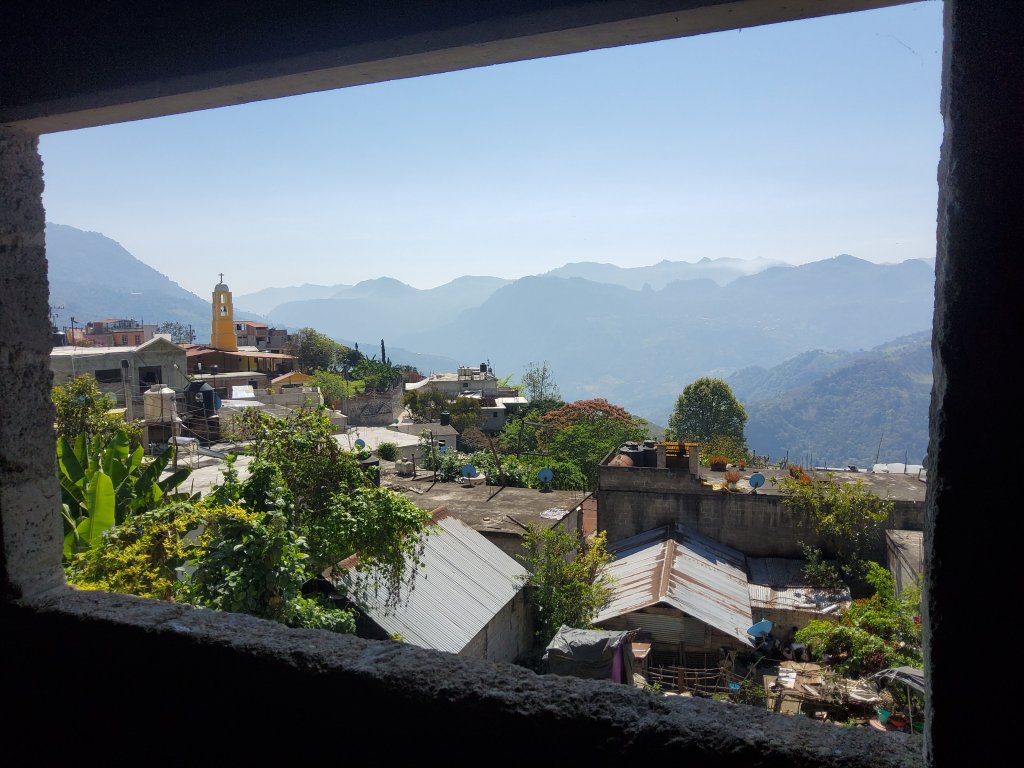
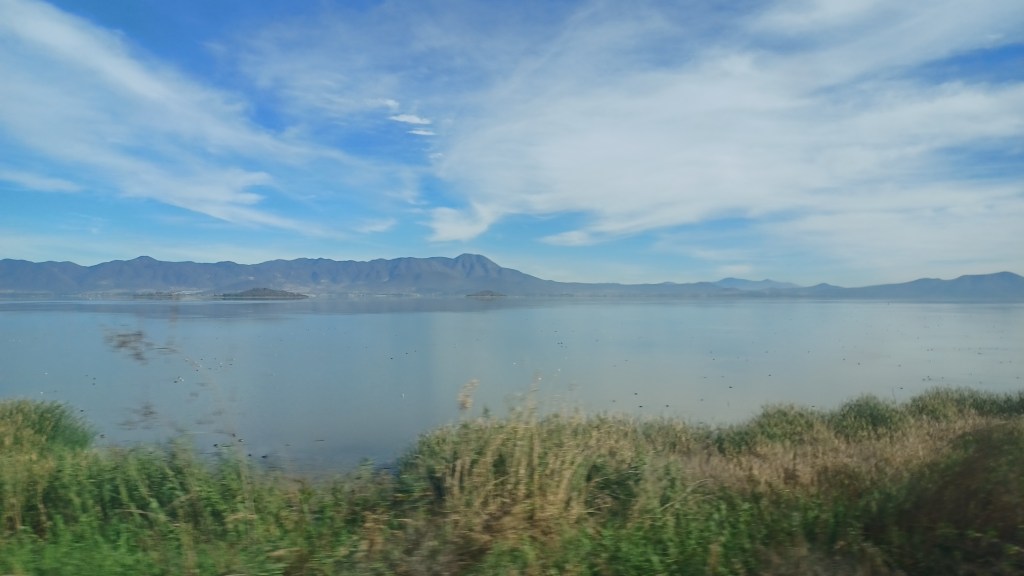
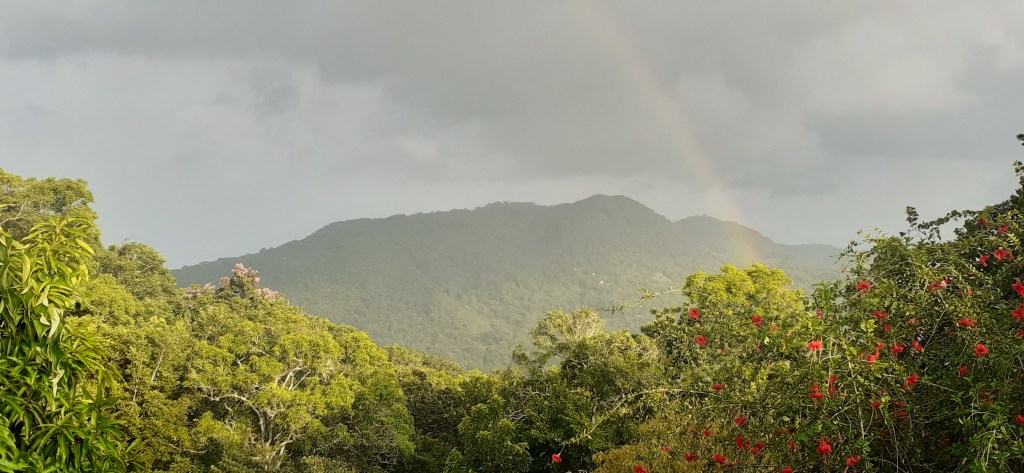
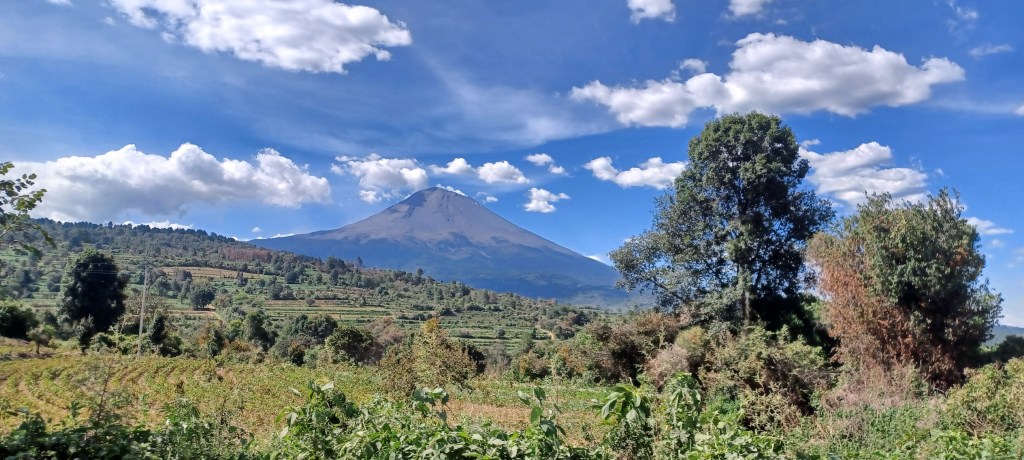
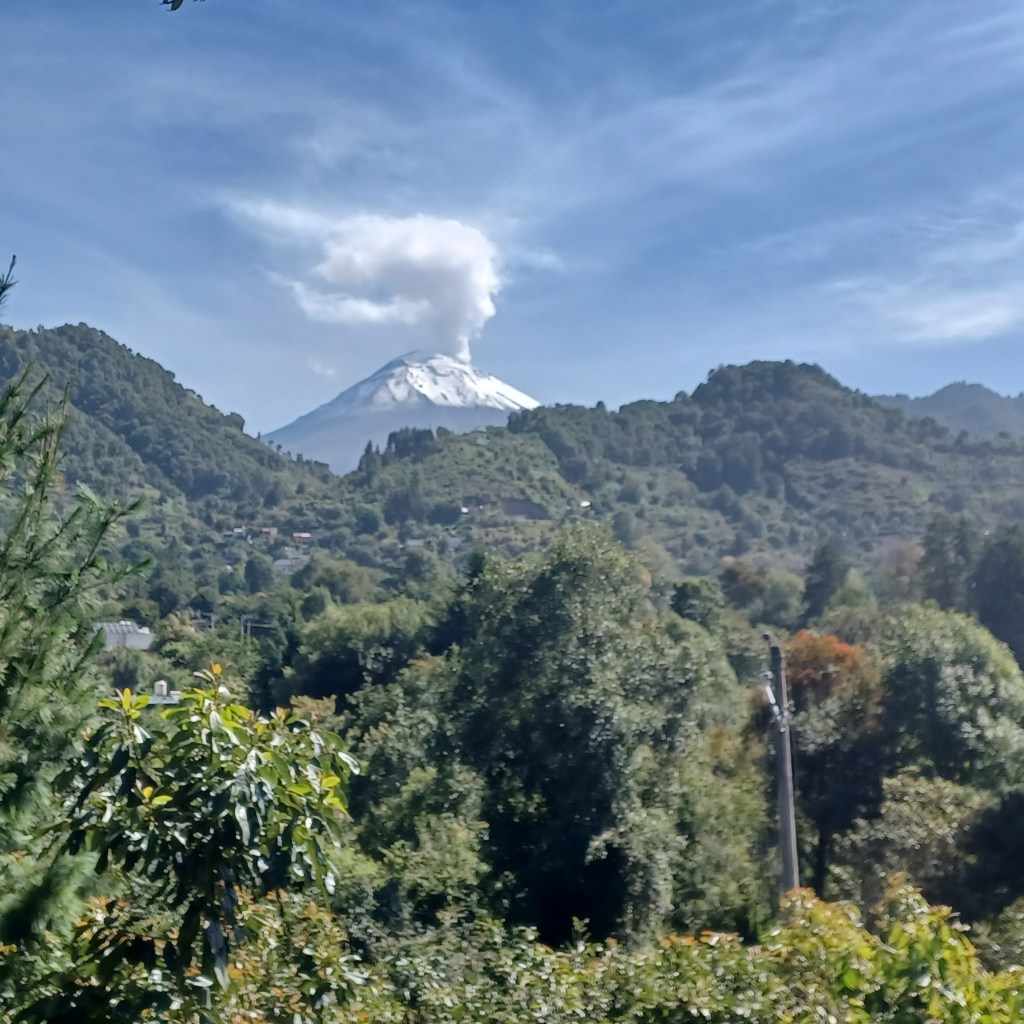
Languages differ in how they construct space grammatically: which frames of reference they use, how they treat figure and ground, what they do with body-part terms and relational nouns, how toponyms encode information about place. The Nahuan languages offer an unusual opportunity to ask whether those differences track the environment, because closely related varieties are spoken across strikingly different terrain — highland and lowland, coastal and volcanic, open and forested.
Comparing spatial grammar across dialects of a single language family holds a great deal constant. If the way space is talked about still varies systematically with landscape, that variation is harder to attribute to unrelated historical accident.
The volume
The main output is an edited volume, Nahuatl Space: Spatial Grammar and Communicative Practices in Nahuan Languages, currently under revision with John Benjamins. It brings together work on frames of reference, locative constructions, toponymy, and the place of Nahuan spatial grammar within Mesoamerica more broadly. Contributors include Carolyn O’Meara, Paulina Posadas Benuto, Laurits Stapput-Knudsen, Giulia Falcione, Ignacio Fortino Ramírez and Gabriela Citlahua Zepahua, with fieldwork-based chapters on varieties spoken in Zaragoza, Tequila and elsewhere. A full list of the chapters is on the publications page.
Related work
An earlier statement of the underlying argument, written with Carolyn O’Meara, appeared as “Environmental Adaptation in Language: Spatial Grammar, Landscape Knowledge and Human Survival” in Language Dynamics and Change (2020). The project team also convened a research seminar at the School for Advanced Research in Santa Fe in 2021.

